LEARNING & GROWTH • ESL

10 Simple Ways to Learn English at Home for Beginners

Expand your vocabulary with practical English words, IPA pronunciation guides, and real-life example sentences.

NOTE: Some links in this post are affiliate links, which means I may earn a small commission at no extra cost to you.

Knowing English is a very important skill that anyone can learn now. English is often considered the language of the world. When you know English, it will open more opportunities for you, like if you dream to explore the world knowing English will make your travel better, if you want to study a particular subject you have an access to information since most of the resources are in English or if you want career growth and you are planning to target the global market you have an advantage if you know English.

🧠 Key Benefits of Learning English

Career Growth

Global Communication

Access to Educational Resources

Access to Media and Culture

Better Travel Experience

Personal Growth

1. Watch English videos every day

The problem now is not the lack of resources; in fact, there are so many free learning materials that are available online. The real problem is that you don’t know where to start. This massive collection of learning resources leads to confusion about where to start. How to start? What should I learn first?

This article suggests easy and practical ways you can learn English at home, even if you are a beginner. You don’t necessarily need to buy expensive courses to learn English.

This article will help you to learn English without feeling overwhelmed. You can incorporate these exercises into your daily life, and hopefully, these exercises will become a natural part of your everyday life.

Whether you are learning for business, travel, networking, or personal growth, these exercises will help you build confidence step by step.

Watching English videos is very helpful for learning English. It trains our ears to listen to how words are pronounced and to the rhythm of their speech. Watching English videos immerses our mind in how the English language is spoken in conversation.

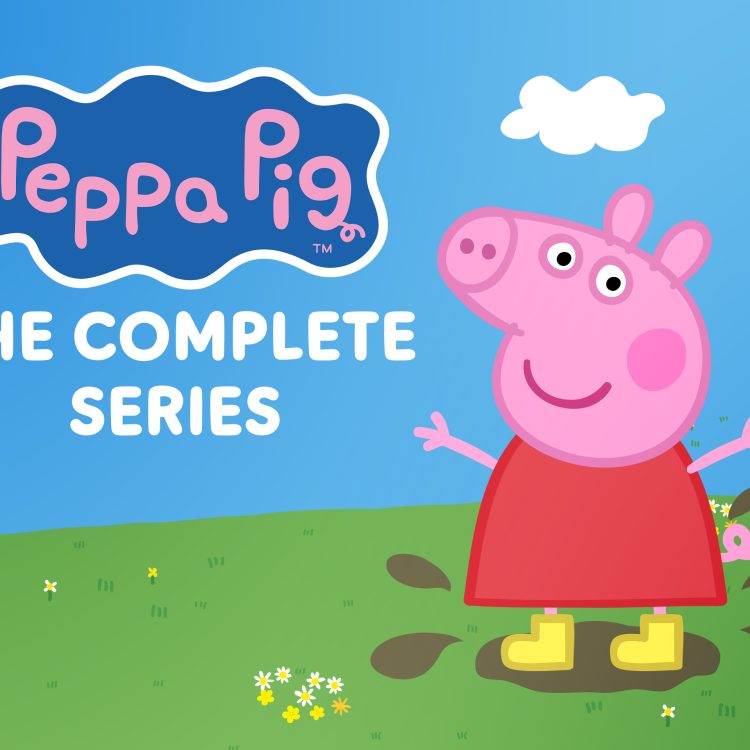
If you have never watched an English video before or if you watched one but it was dubbed in your native language, you can try these movies as a starting point.

🎬 Beginner-Friendly English Shows

a016b0fc3253020f84a8dca14cb7bdcf47eae275100b70bd1d8bde7f41df2a67

This is the heading

👀 Why Watch?

Easy sentence structure
Repetitive
Clear Pronunciation

This is the heading

👀 Why Watch?

Emotion vocabulary
Useful everyday phrases

This is the heading

👀 Why Watch?

Clear American accent
Easy-to-understand dialogue
Lots of daily vocabulary

🌟 English Learning Tip

Some English learners recommend watching the movie first in their native language, then watching it again in English.

2. Read simple English stories

Reading is a great tool for language acquisition. When you read, you absorb the rhythm and flow of the language. Not only that, but it is also a great way to build vocabulary and study how words are used to form sentences. Reading exposes you repeatedly to the correct sentence structure and different sentence patterns

“Read 500 pages like this every day. That’s how knowledge works. It builds up, like compound interest.”

-Warren Buffett

One thing I like about reading is that it slows you down. You can reread a passage many times until you understand what it is trying to say, look up new words, and observe how they are used in making a sentence. In short, there is no time pressure for you. You can take it at your own pace.

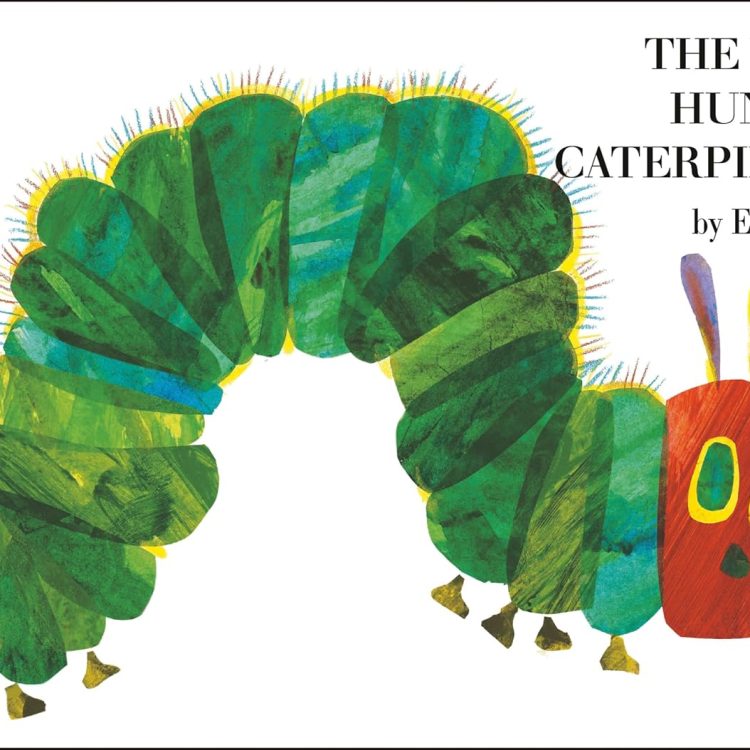
📚 Beginner-Friendly English Books

81qsstEtrgL._SL1500_

This is the heading

👀 Why Read?

Great for absolute beginners because of the visuals and repetitive vocabulary.

This is the heading

👀 Why Read?

Simple writing style, warm story, and easy vocabulary.

This is the heading

👀 Why Read?

One of the best starting points because books are organized by English level.

🌟 English Learning Tip

Read the books you want to read.

3. Learn 5 new English words every day

Learning 5 new words every day is a great way to acquire massive vocabulary with zero burn out. It is a small, low stress goal that you can easily do right now. And with just five words, you can practice immediately how to use these words in making a clear sentence.

The good thing about learning 5 new words every day is that you are not forcing your brain to memorize and it is very doable.

If you want to learn vocabulary little by little without feeling overwhelmed, you can check out my 5 Words of the Day posts.

🌟 English Learning Tip

It is much better to learn 5 new words every day and remember all of them than to learn 10 words and forget 8 words.

4. Write in English every day

There is a difference between knowing a word and actually using it. Writing is a useful tool to close that gap. Writing allows you to actively practice the language.

 When you write, you become aware of sentence structure and how to use words that will capture your thoughts.

 Unlike speaking, writing removes the time pressure. You have the time to carefully think about how to structure sentences and what words to use when expressing your thoughts.

Also, writing makes your mistakes a lot easier to detect. When you reread a sentence and something feels off, it is easy to change and try again.

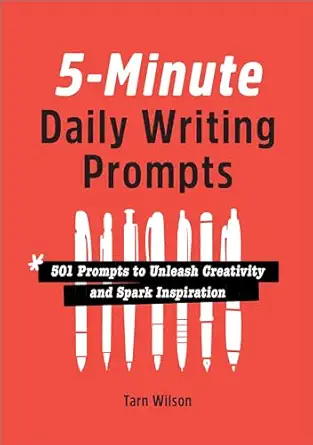
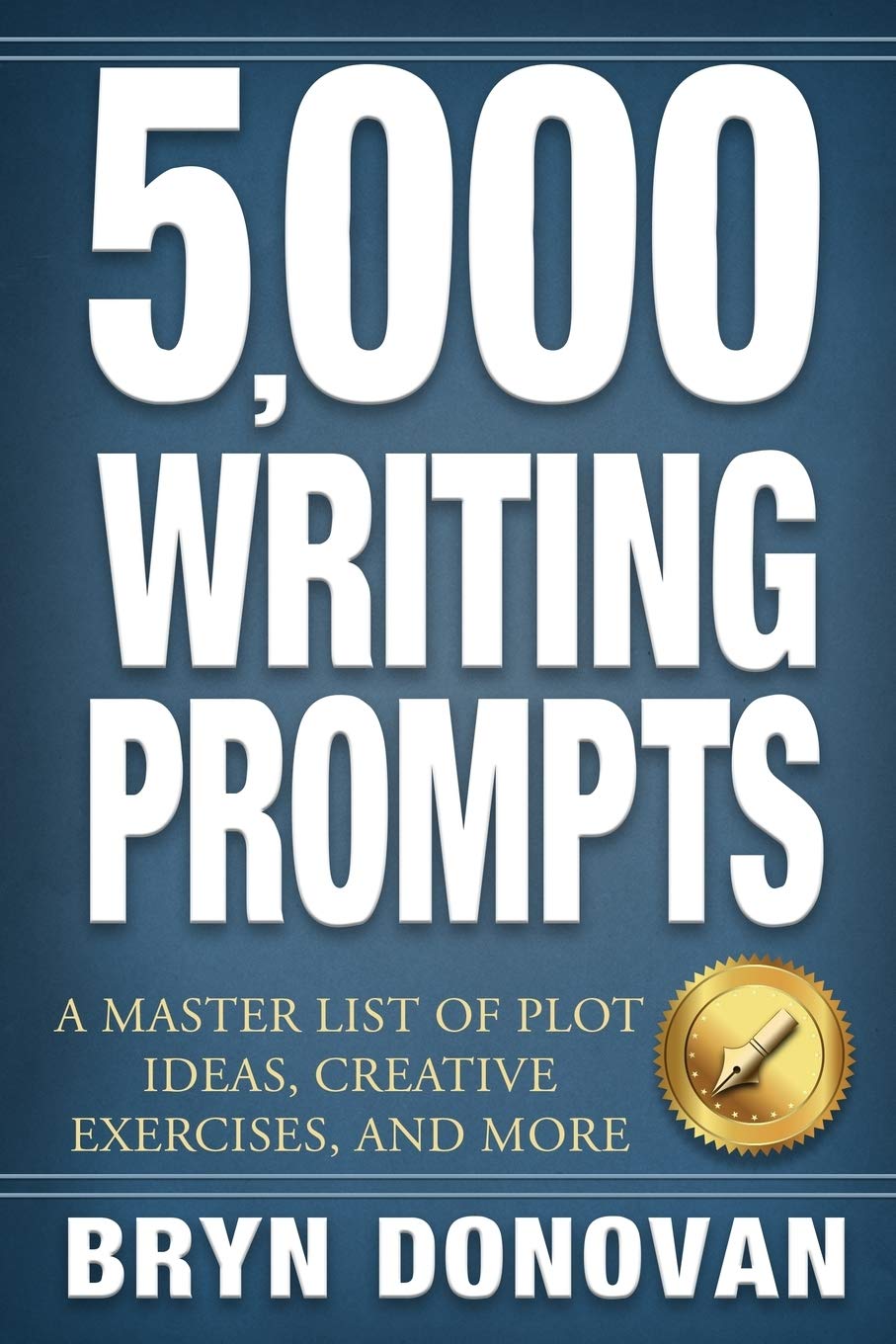
If you don’t know what to write about, this book can help. It contains prompts you can use when you feel stuck or your mind goes blank.

📚 A Book of Writing Prompts for Beginners

This is the heading

👀 Why Write?

simple prompts that encourage you to imagine, create, and improve.

This is the heading

👀 Why Write?

Daily writing practice without thinking too much about ideas.

This is the heading

👀 Why Write?

This book teaches that writing is easier when you stop waiting for ideas and simply start from prompts.

5. Practice speaking English alone

One of the common reasons why some English learners are not fluent is the fear of making mistakes and the embarrassment that comes with it.

You might find this exercise silly, but this is one of the fastest and lowest-stress ways to build speaking fluency.

When you talk to yourself, there is no audience, no judgment, and no embarrassment when you stutter, mispronounce a word, or take a long time to say something.

🌟 English Learning Tip

I recommend recording yourself while talking so that, at the end of the month, you can track your progress. No need to talk for an hour. Five minutes of talking to yourself every day is already enough.

6. Learn the most frequent words used in English

Focusing on the most frequent words used in English is one of the best shortcuts to fluency. If you focus on the 1000-2000 high-frequency words, you can understand most casual conversations.

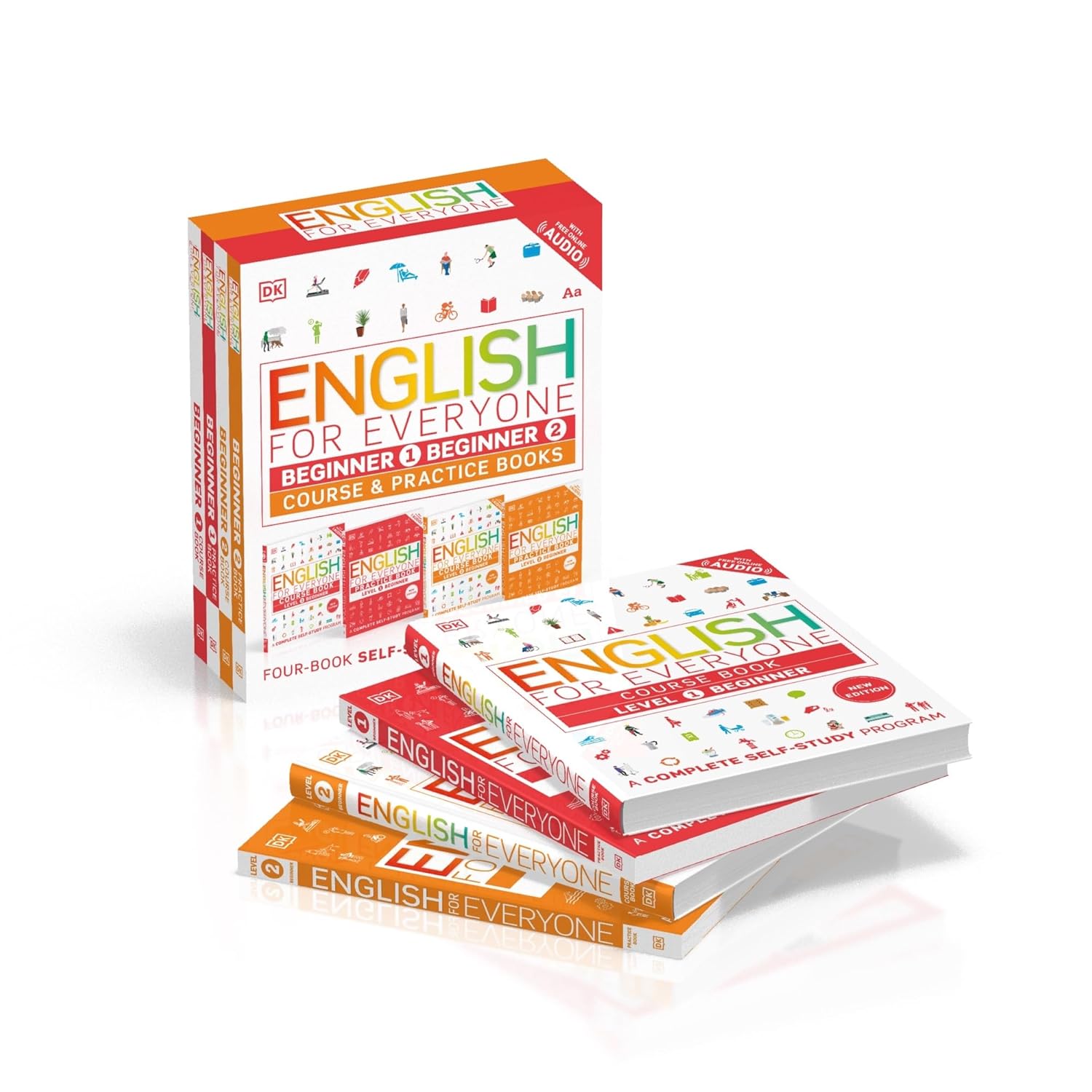
📚 Beginner-Friendly English Books

61MunjIW6WL._SL1360_

This is the heading

👀 Why Read?

Great for absolute beginners because of the visuals and repetitive vocabulary.

7. Listen and repeat what you hear

This exercise is one of the oldest and most trusted ways to learn a new language. It bridges the gap between passive listening and active speaking. When you listen, it trains your mind to catch the rhythm, pronunciation, and flow of the language. While speaking is a physical exercise, it trains your mouth, tongue, throat, and jaw to develop a clear accent.

8. Join a language exchange program

This exercise exposes you to real-world communication. Language exchange is a process where learners help each other learn a new language. You will teach your language to your partner, and your partner will teach you theirs. This is a fun way of connecting language learners from different parts of the world. Language exchange is a safe space for making mistakes since all participants are language learners. Talking to someone who is a native English speaker will expose you to slang, useful everyday words, and natural idioms.

📚 Beginner-Friendly English Books

This is the heading

👀 Why Use?

Best for: beginners + social practice.

This is the heading

👀 Why Use?

Best for: focused one-on-one speaking practice

This is the heading

👀 Why Use?

Best for: quick and casual conversations

9. Practice consistently

Practicing consistently is the bridge that turns passive knowledge into an active skill. Regular exposure helps you transfer what you learn from short-term memory to long-term memory. Consistent practice trains you to stop translating and start thinking in English.

Also, learning a new language is built on consistency. No matter how small your progress is, it is still progress.

10. Reward yourself for your progress

Rewarding yourself keeps your brain motivated. Learning English should not add stress to life. I believe that learning English should be fun.

That’s all for now.
If this resonated with you and you’d like to support my writing, you can do so here.

0 0 votes
Article Rating
Subscribe
Notify of
guest
12 Comments
Oldest
Newest Most Voted
Inline Feedbacks
View all comments
Miles
Miles
5 hours ago

Nice. I will share it to my students

brian
brian
2 hours ago

I like this kind of content. It is very informative

Miles
Miles
2 hours ago

Thanks! This is a big help

kyla
kyla
2 hours ago

This is good

Myrtle
Myrtle
2 hours ago

You’re website is improving

PIattoos
PIattoos
2 hours ago

This is good

Rootless Juandering • ESL

12
0
Would love your thoughts, please comment.x
()
x